Timestamp pihak ketiga (RFC 3161, freetsa.org): Oct 31 16:32:51 2026 GMT
Snapshot Wayback yang sudah ada: 0 dari 17 post.
Unduh folder archive/, lalu jalankan python _verify/verify.py di dalamnya.
Hasil yang benar: PASS.
Hash membuktikan keutuhan, bukan asal-usul — buka tautan tiap post untuk memastikan isinya.
Introducing dots3-note preview — a small but mighty step toward long-horizon agency in real life.
🔹 280B MoE with 16B active parameters, a 512K context window, and multimodal understanding across text, vision, and audio
🔹 Introduces TEMPO, a new RL approach for long-horizon agent training through self-critiquing and test-time-scaled value estimation
🔹 Built to reason, explore unfamiliar environments, update memory over time, and combine multimodal perception with coding and tool use to solve complex tasks
🔹 Open weights on Hugging Face, alongside two open benchmarks for real-life agents: VibeSearchBench and VibeLifeBench
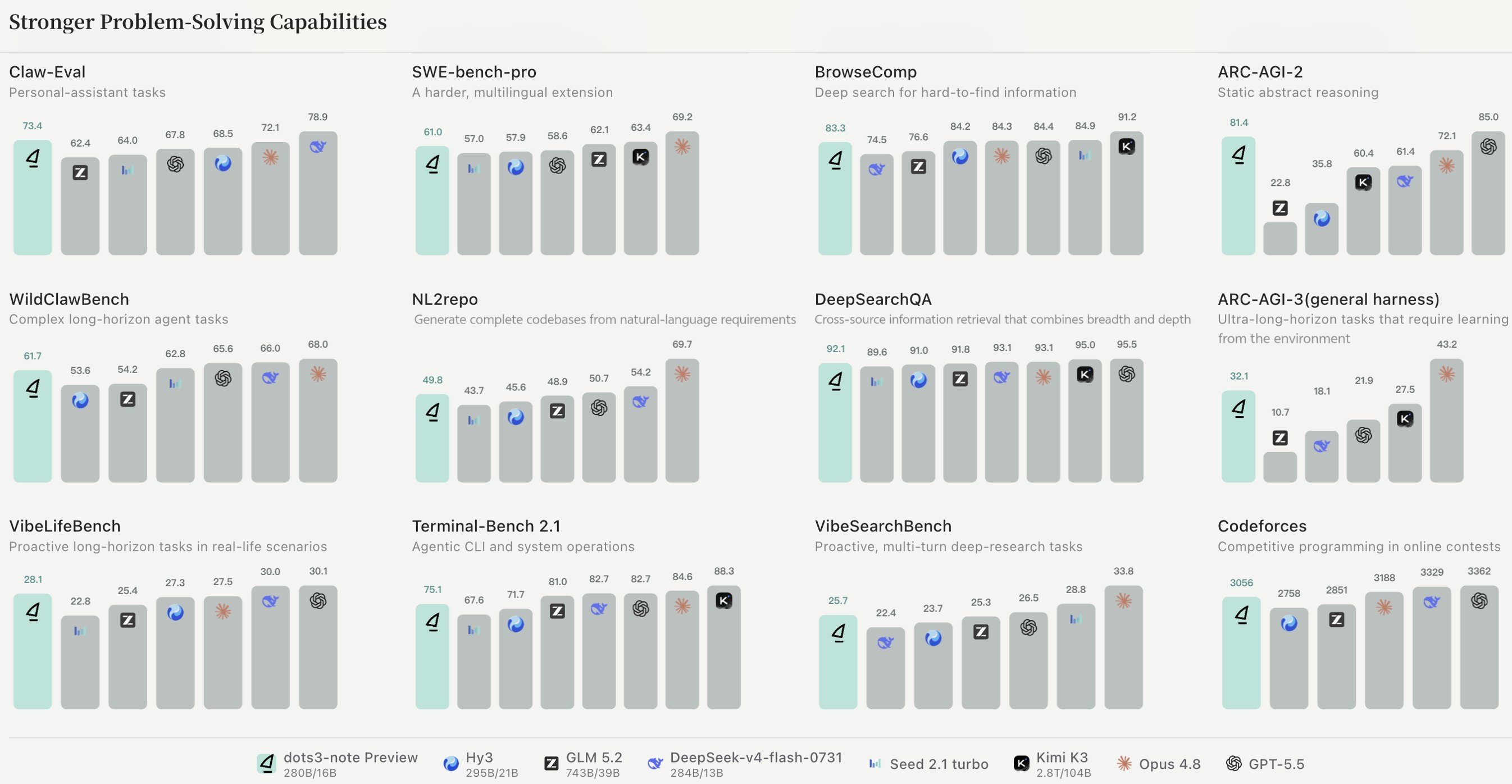
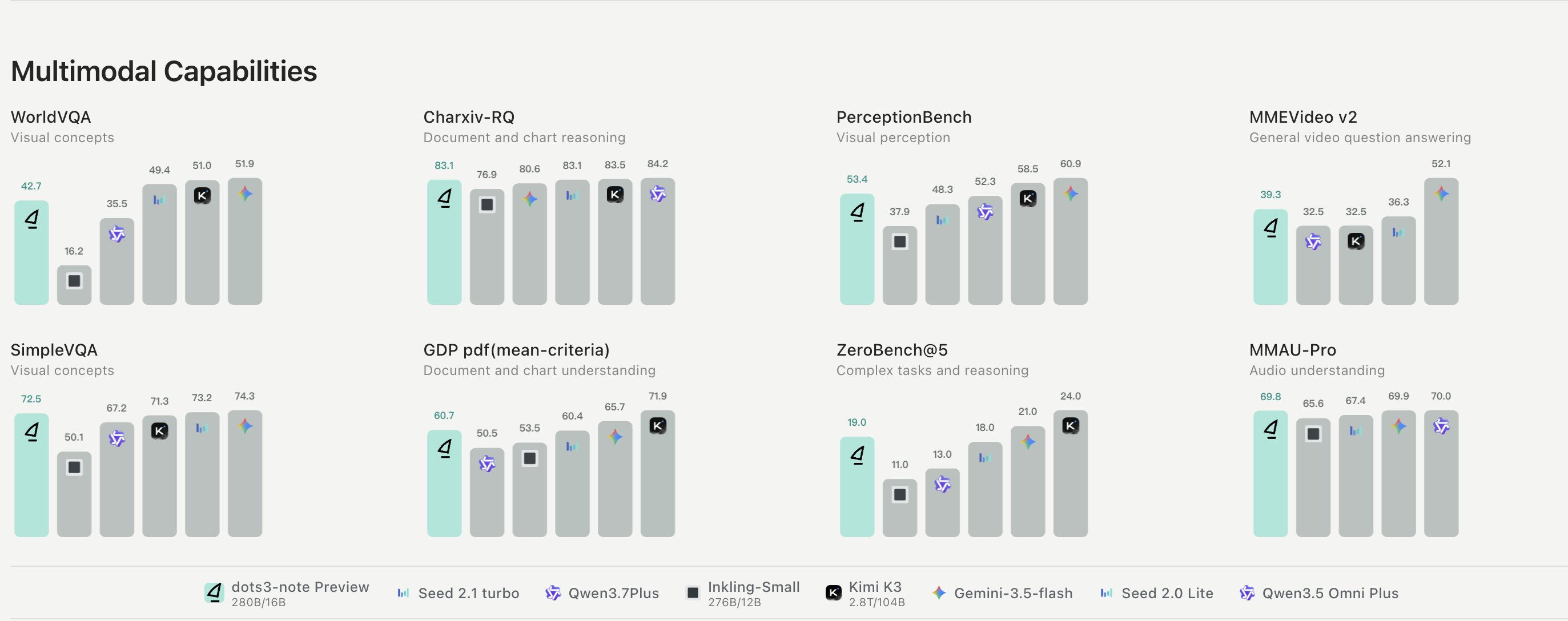
Competitive with much larger models across reasoning, agentic, and multimodal evaluations.
🔗 Tech blog: https://t.co/kMJtfvB1s7
🔗 Model weights: https://t.co/Lxwbgjc8wk
🔗 Github: https://t.co/QAAeYBTULP
1/ Meet dots3-note preview — an open-weight multimodal model built for long-horizon agency in real life. 🌍
→ 280B total / 16B active → 512K context → Text + vision + audio
Built to reason, use tools, learn, and adapt over time. https://t.co/VntqkWlFkK
2/ 🧠 Train agents for tasks that last hours—not minutes.
Meet TEMPO: RL beyond the terminal reward.
The same model alternates between actor and critic at each macro-step:
Act → evaluate → rethink → continue.
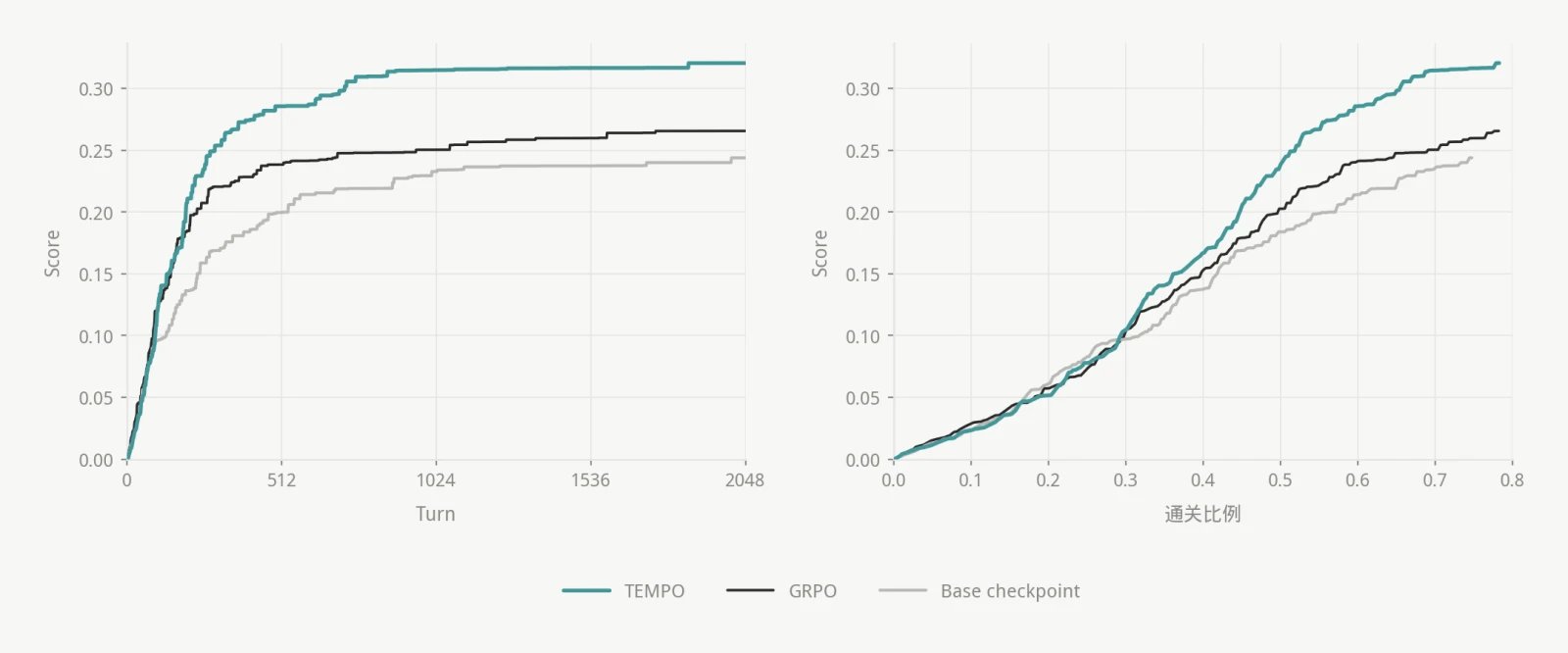
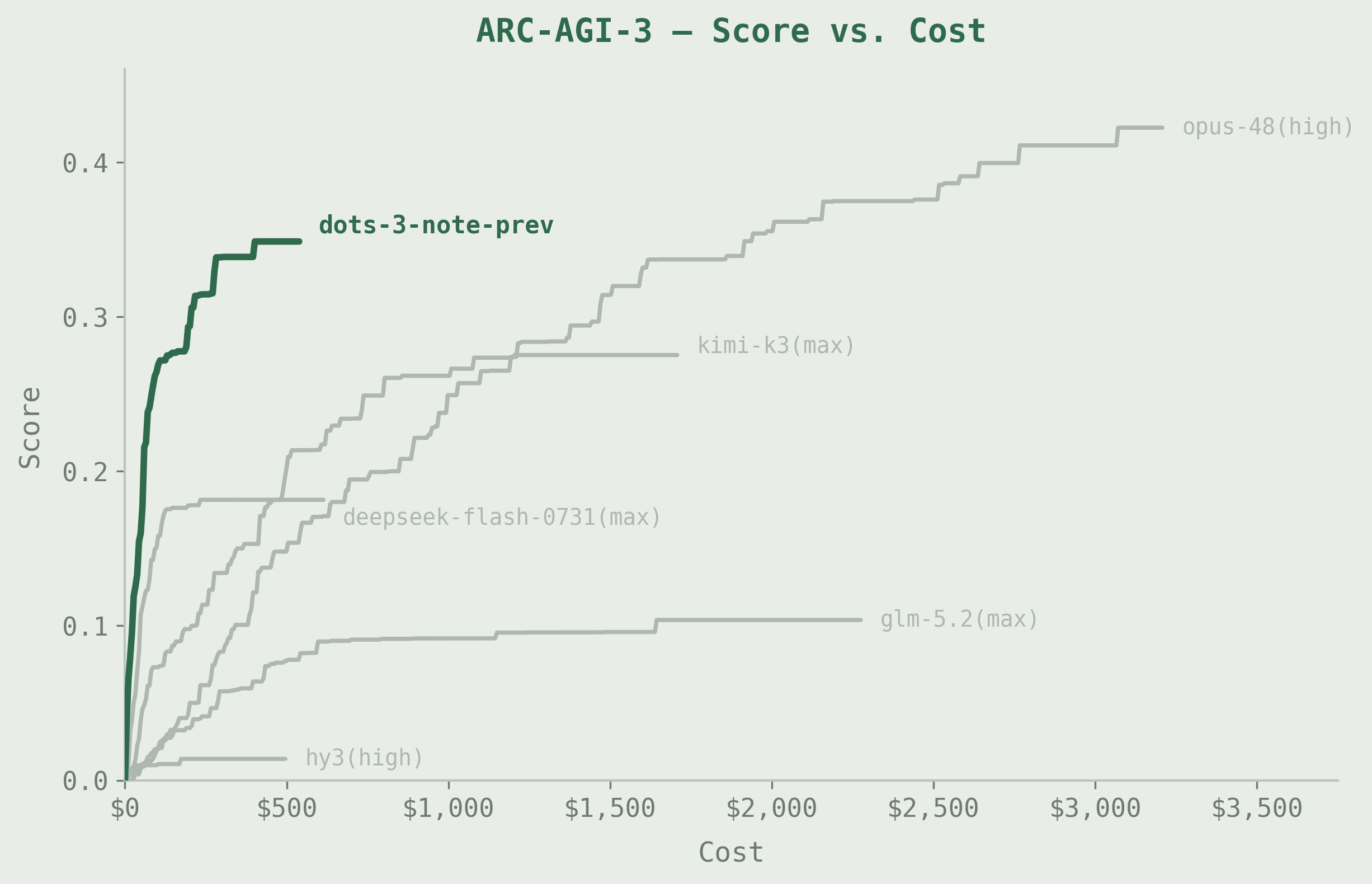
On ARC-AGI-3, TEMPO outperforms GRPO at long horizons—and can distinguish trajectories with the same reward but very different actual progress.
3/ 🔍 Know when you’re actually making progress.
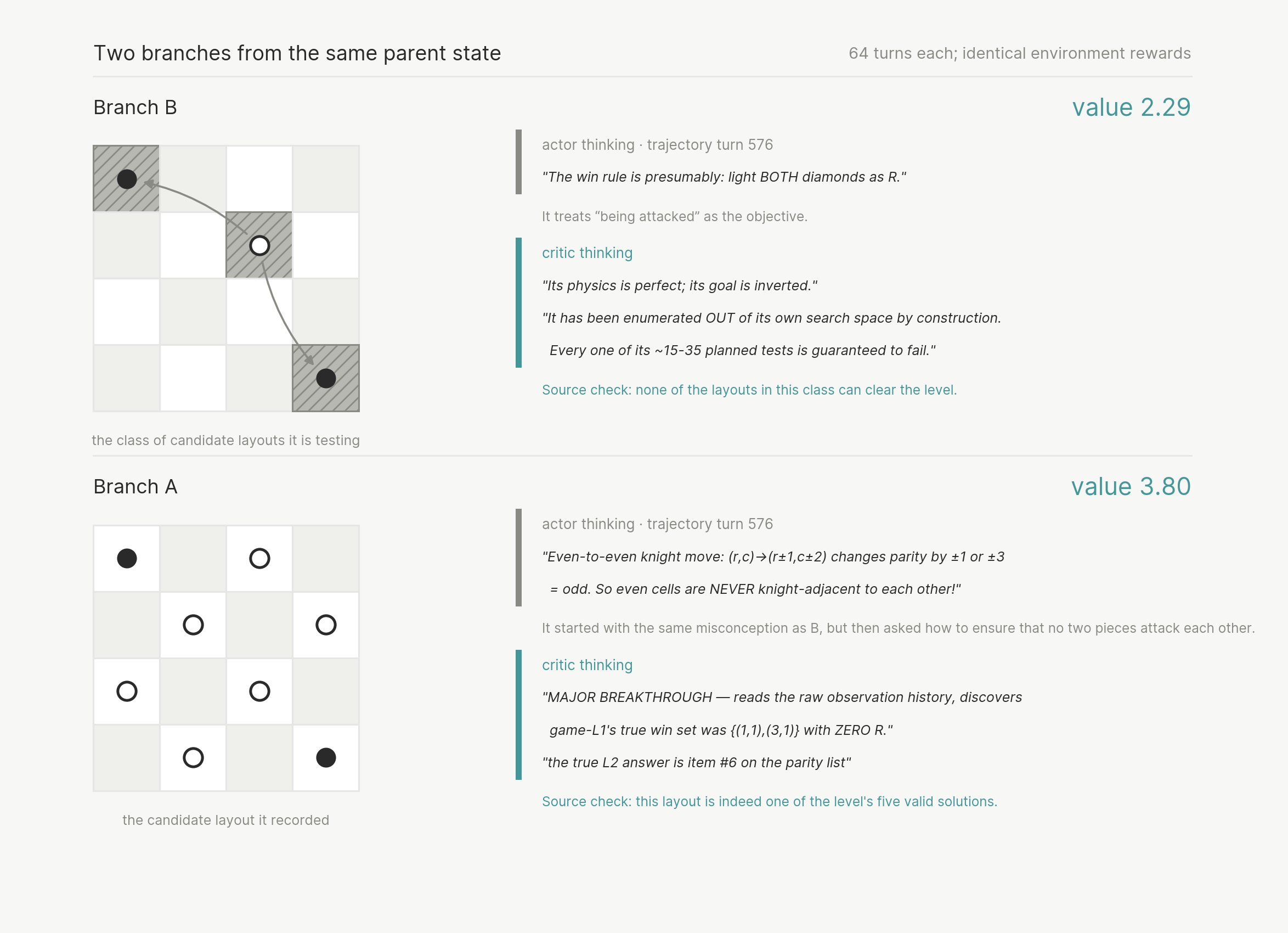
Two trajectories can get the same reward while heading in very different directions.
In a knight-placement task, two branches ran for 64 rounds and received the same environment reward.
One was close to satisfying the real constraint. The other had misunderstood the task.
TEMPO’s critic could tell the difference, assigning them values of 3.8 and 2.29.
4 🛠 Perceive the world. Act on it.
To solve complex real-world tasks, an agent needs both.
👁 Text + vision + audio understanding ⚡ Coding + tool use + result delivery
From understanding what’s happening to actually getting things done. https://t.co/LPA76gFmA4
5/ 🔁 Learn in unfamiliar environments.
dots3-note preview can:
→ Explore → Form & test hypotheses → Update memory → Reuse what it learns
We see this behavior in long interactive environments such as ARC-AGI-3. https://t.co/TepQY7mSNT
6/ 📊 Real-life agents need real-life benchmarks.
We’re also open-sourcing:
🔎 VibeSearchBench — multi-turn search as user intent unfolds
🌎 VibeLifeBench — long-running tasks where users, plans, and external conditions change over time
Check out our paper: https://t.co/cVpssRZRO7
7/ 🚀 This is a preview—and a first step.
Our goal: AI that can keep working as tasks stretch across time, user intent evolves, and the world changes around it.
Open weights + benchmarks: Tech blog: https://t.co/kMJtfvAtCz
HuggingFace: https://t.co/LxwbgjbAGM
API: https://t.co/VA76ExmSnK
A great systems-level deep dive into dots3-note Preview.
From the Proof–Verify–Refine loop for IMO, to TEMPO and self-evaluation, and all the way to the inference challenges behind ultra-long-horizon agent runs — @GenAI_is_real connects model design, RL, and systems in one coherent picture.
Long-horizon reasoning isn’t just a model problem. It’s an RL and systems problem too.
Exactly the kind of technical discussion we hoped the open-weight release of dots3-note Preview would spark. Thanks for the thoughtful breakdown!
Under the hood of dots3-note Preview: BigMac 🚀
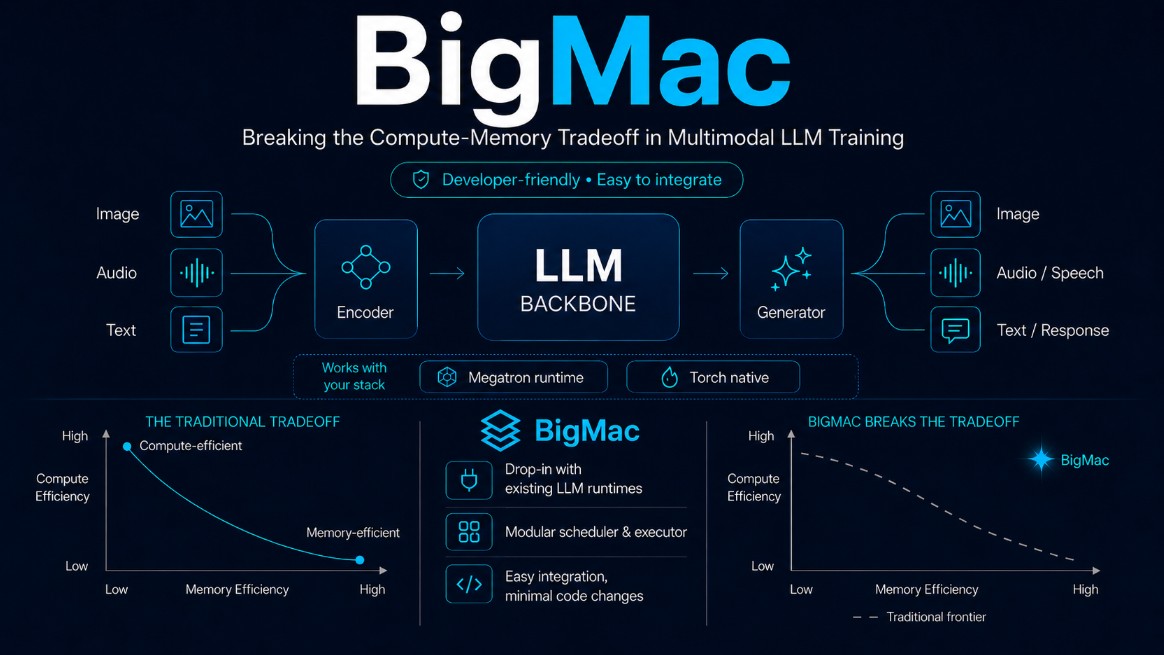
One piece of the training infra behind dots3-note Preview is BigMac, our pipeline scheduling system purpose-built for VLM training.
BigMac co-schedules heterogeneous vision and language workloads through a dependency-safe nested pipeline — preserving the efficiency of optimized LLM schedules while reducing pipeline bubbles and activation memory.
Across our evaluated workloads, it delivers 1.08–1.9× training speedups over existing baselines.
We’ve now open-sourced it.
https://t.co/UERMMXeRlC
Under the hood of dots3-note Preview: UltraEP ⚡
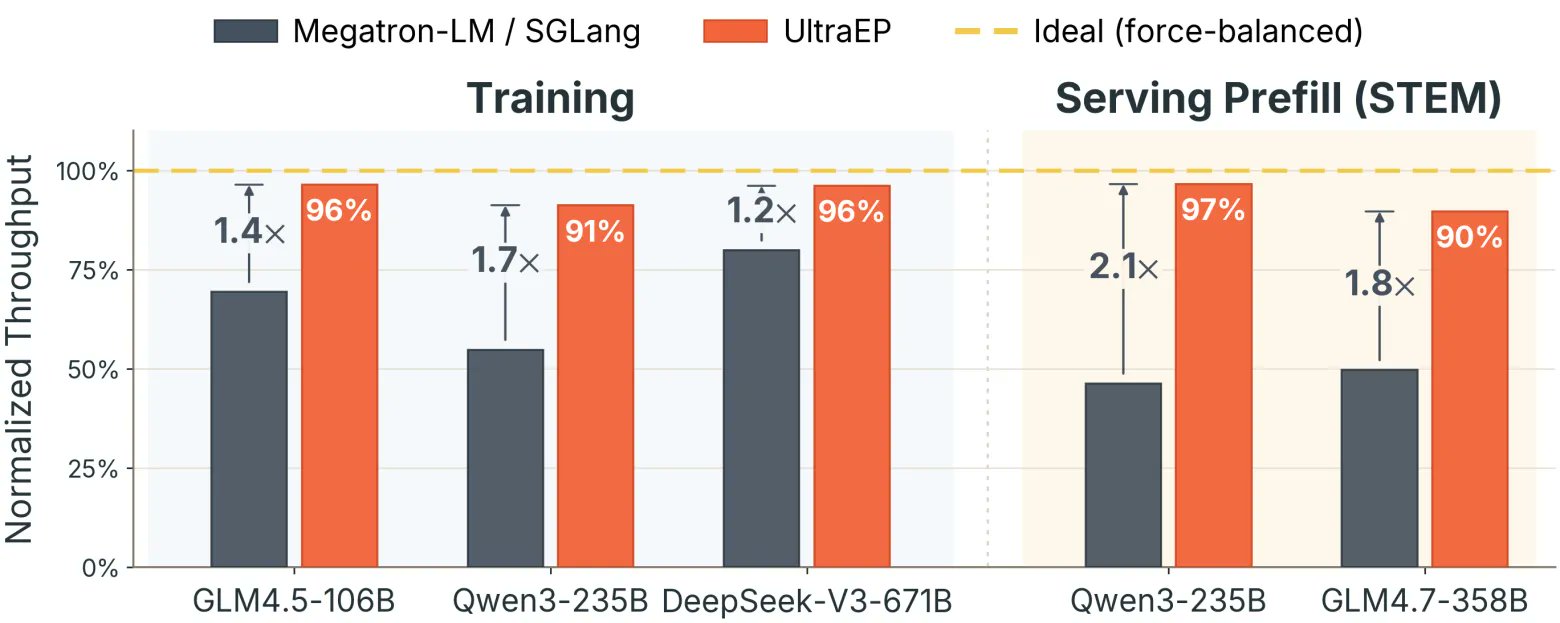
Another piece of the infra behind dots3-note Preview is UltraEP, our software–hardware co-designed runtime load-balancing system for fine-grained MoE models.
UltraEP dynamically replicates hot experts and redistributes tokens based on real-time routing loads, leveraging high-bandwidth NVLink interconnects to keep expert workloads close to ideally balanced.
The result: <300 μs critical-path overhead and 94.3% of ideal balanced performance on average.
We’ve now open-sourced it.
https://t.co/ggimNNmCDS